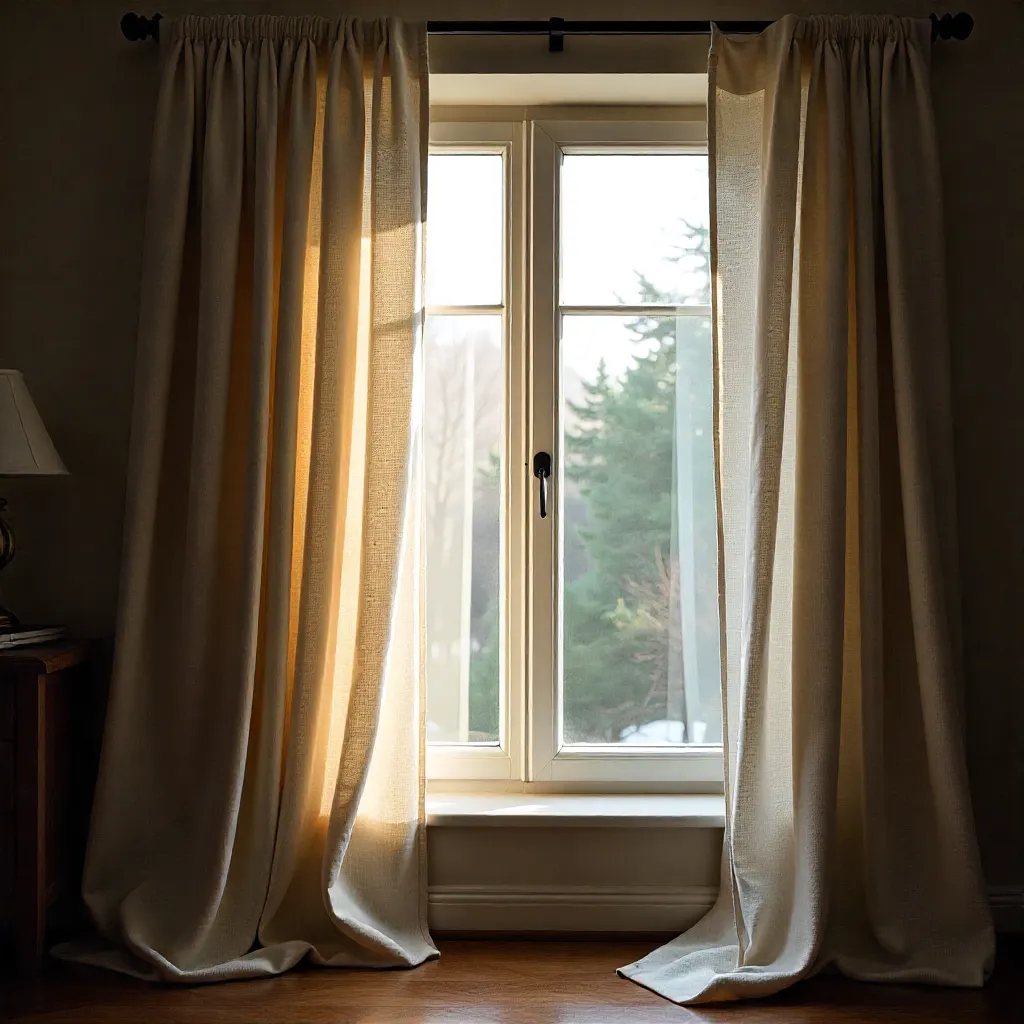
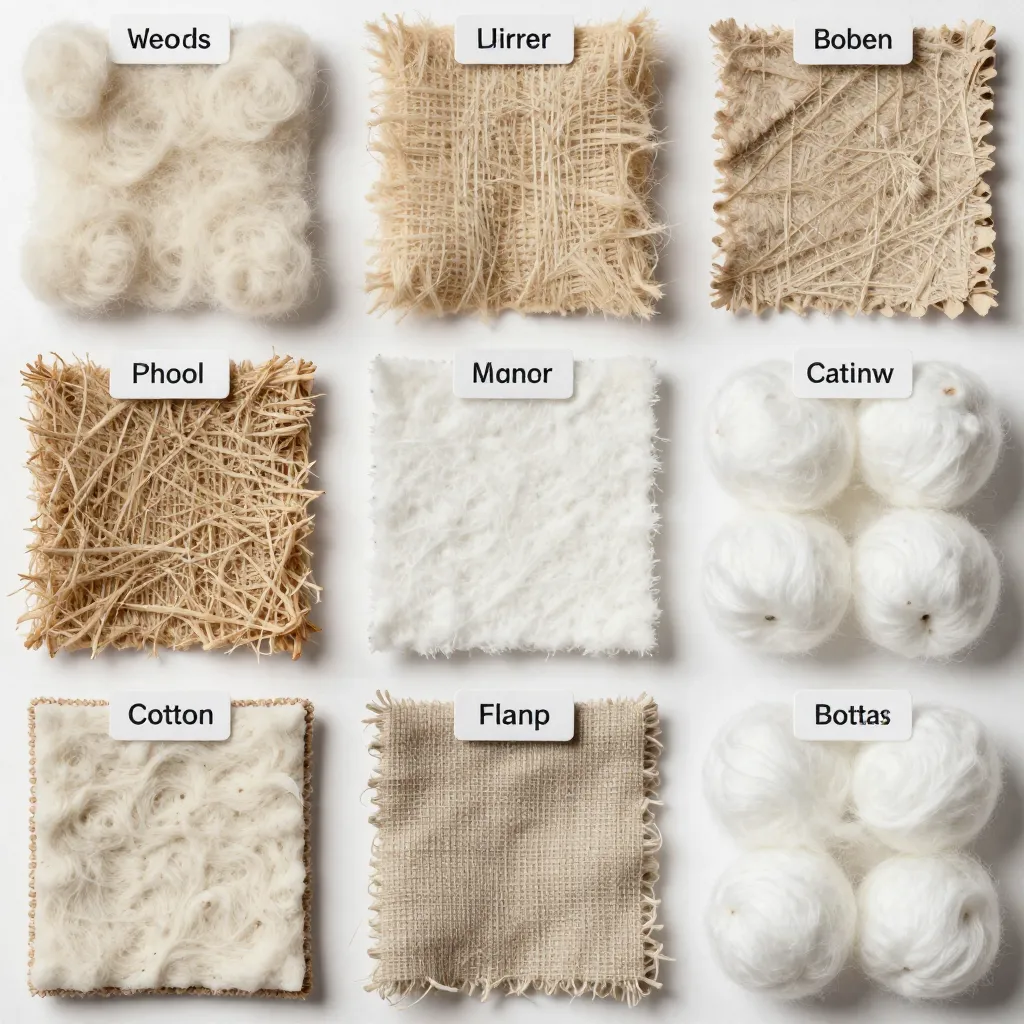
Natural textile materials for insulation

Natural Textile Materials

Discover the properties and applications of natural fibers for effective thermal insulation and energy management.

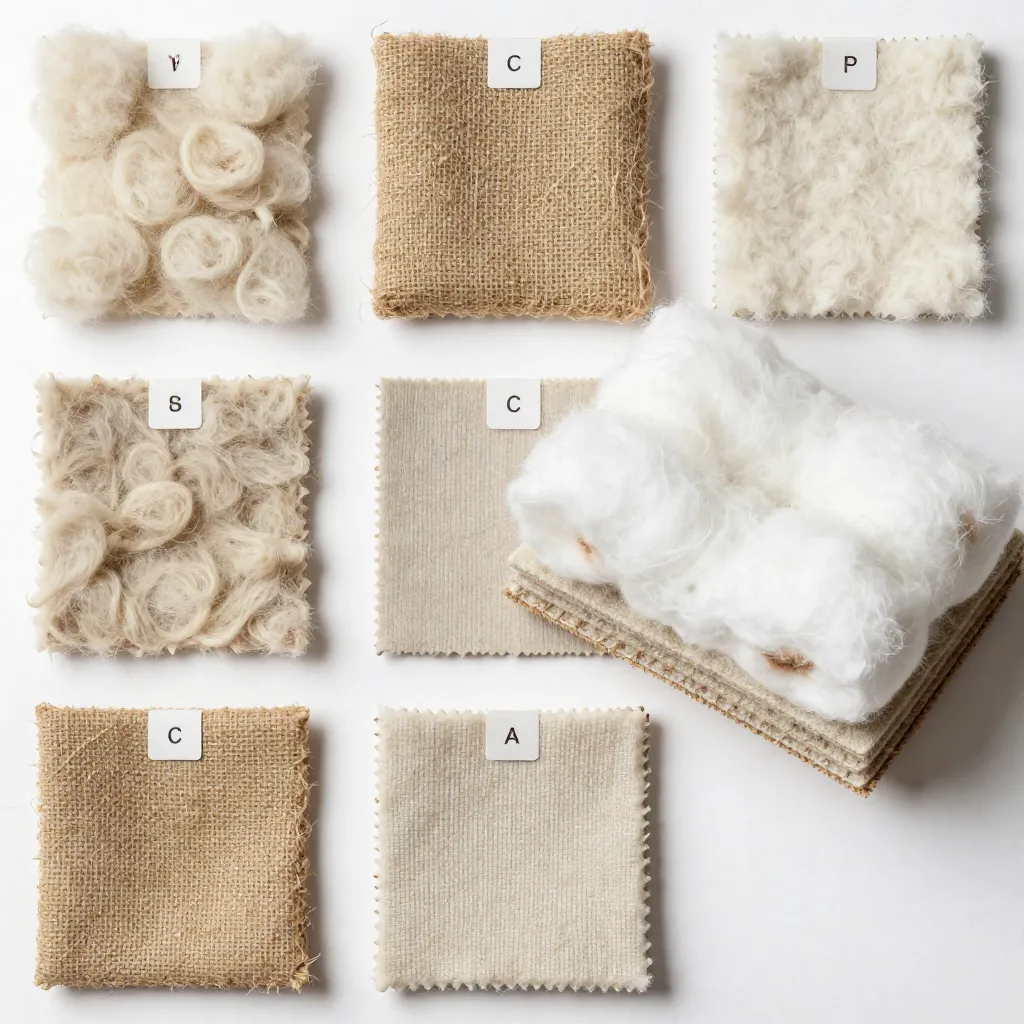
Natural fiber materials showcase

Heavy Wool: Natural Thermal Barrier

Heavy wool stands as one of the most effective natural insulators available. The unique structure of wool fibers creates millions of microscopic air pockets that trap heat and reduce thermal conductivity.

The natural crimp in wool fibers provides exceptional loft, creating thickness without excessive weight. This structure allows wool to maintain its insulating properties even when compressed, making it suitable for various installation methods.

Wool's ability to absorb and release moisture without feeling wet contributes to its thermal performance. The fiber can hold up to 30% of its weight in moisture while maintaining its insulating properties, creating a natural humidity buffer.

When selecting wool materials for insulation applications, consider fiber density, thickness, and weave pattern. Denser weaves provide higher R-values but may reduce breathability, while looser weaves offer better air circulation with slightly lower thermal resistance.
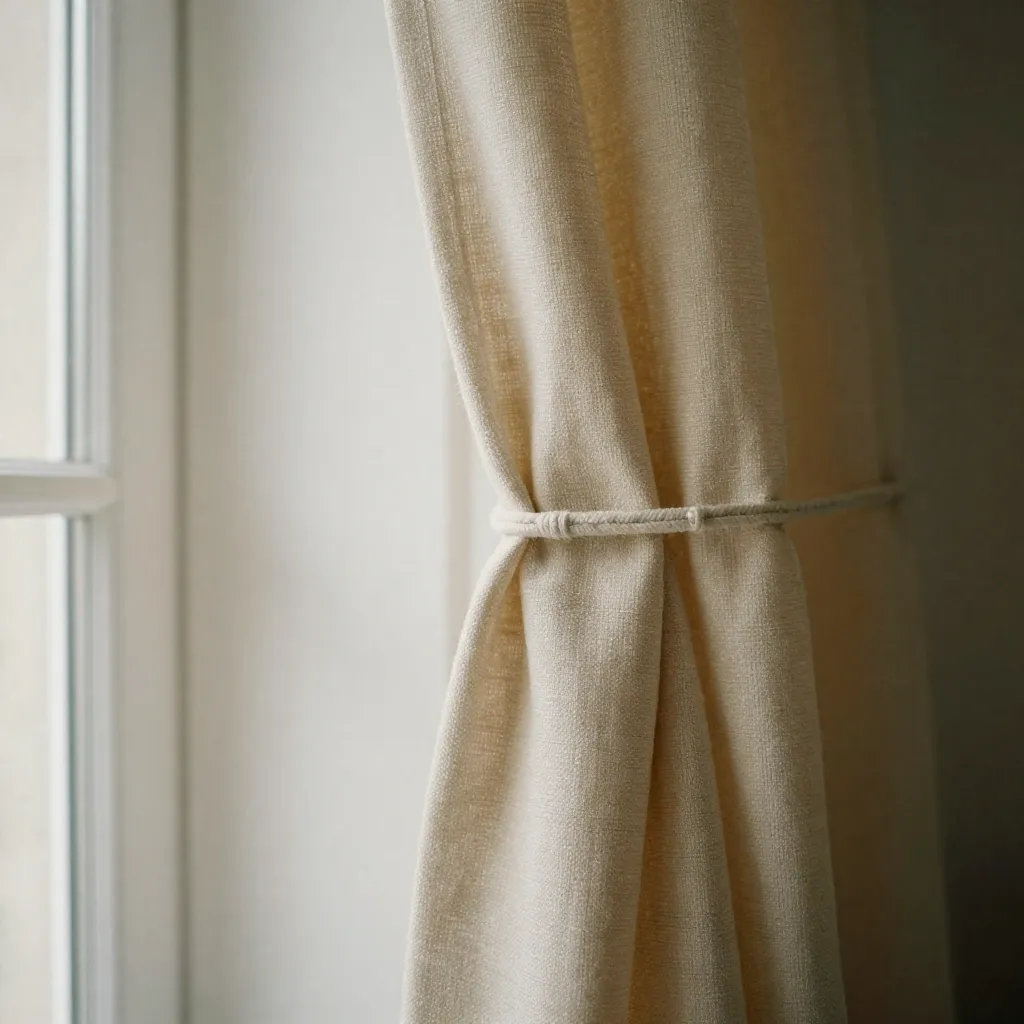
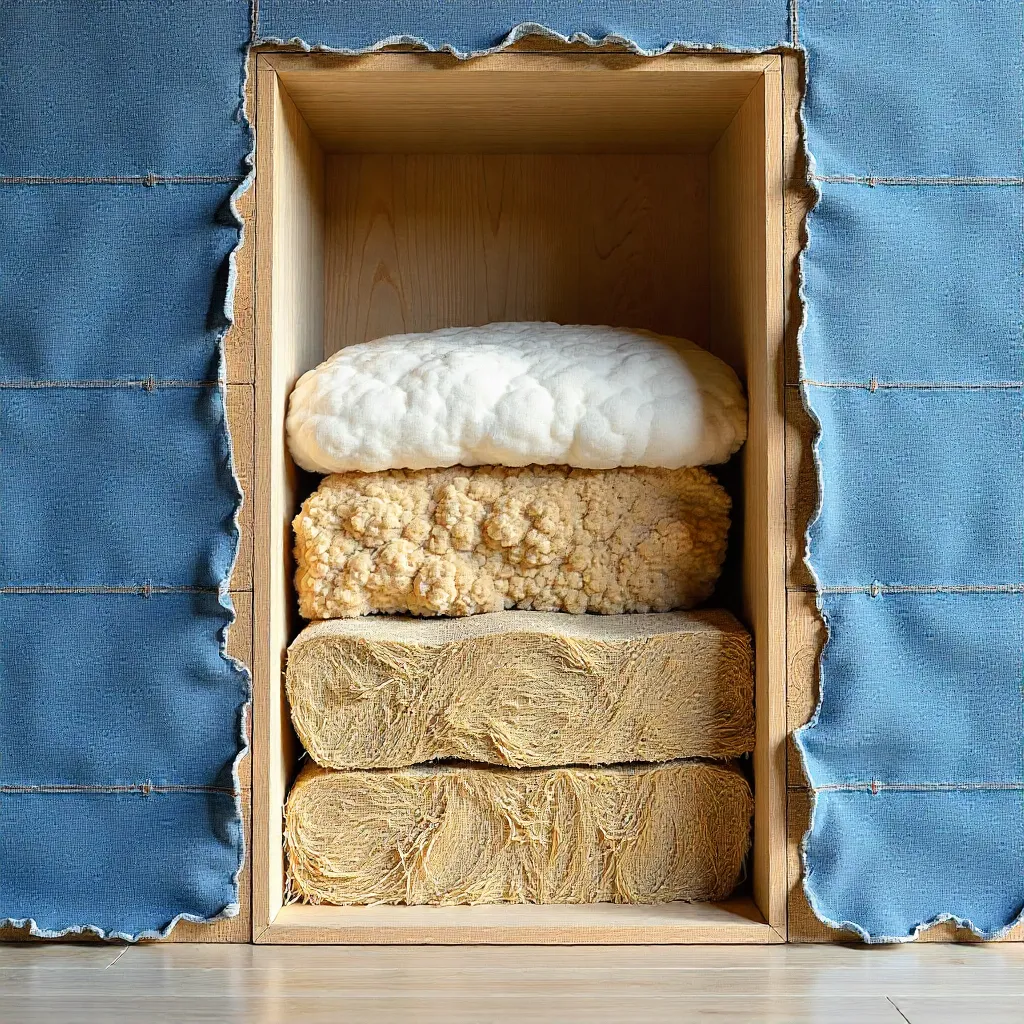
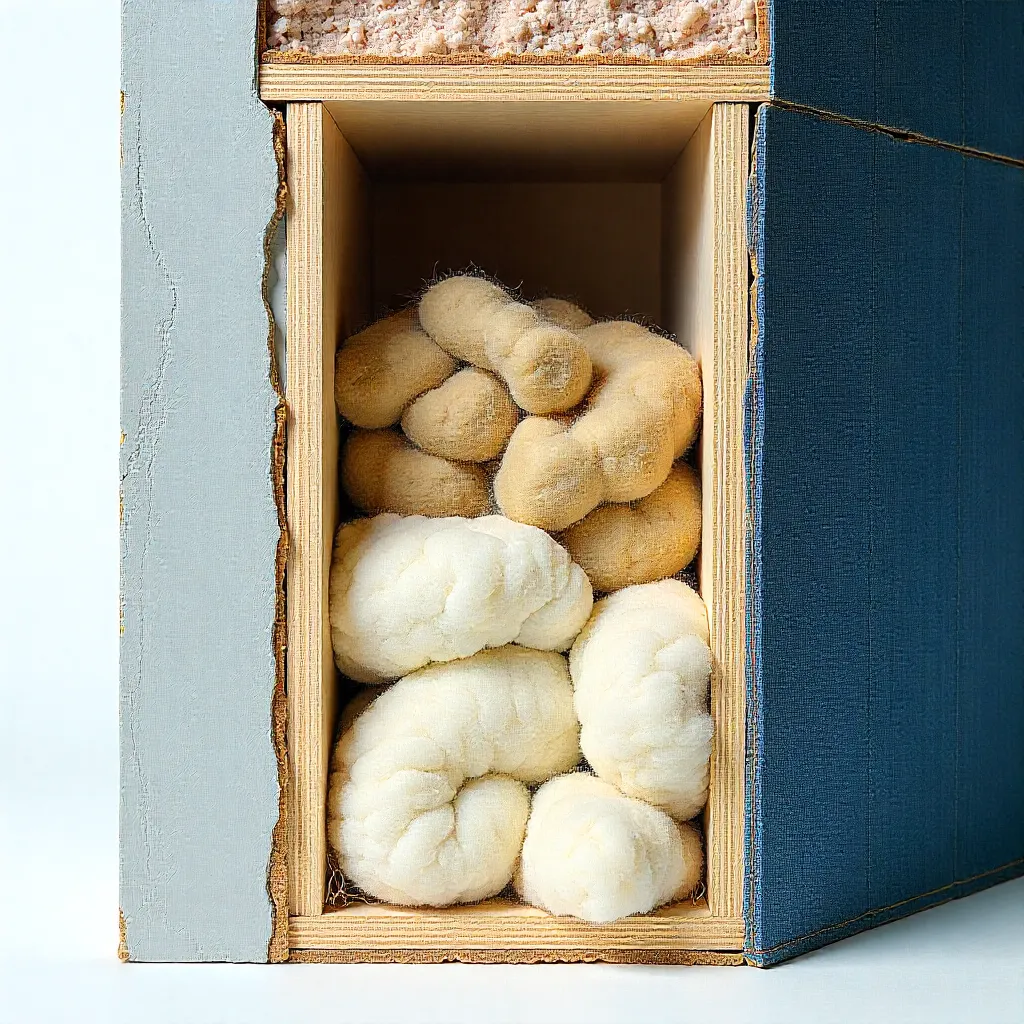
Heavy wool textile structure and properties

Multi-Layered Linen Systems

Layered linen fabric systems for insulation

Linen offers a unique combination of thermal insulation and natural breathability. When layered strategically, linen creates effective thermal barriers while maintaining air circulation.

The straight fiber structure of linen creates uniform channels that trap air effectively. Multiple layers increase the number of air barriers, significantly improving overall R-value while maintaining the material's natural moisture-wicking properties.

Linen's natural resistance to bacteria and mold makes it particularly suitable for humid environments. The material maintains its structural integrity and insulating properties even in conditions where other natural fibers might degrade.

Installation of multi-layered linen systems requires attention to spacing between layers. Proper spacing maximizes dead air space creation while preventing compression that could reduce thermal performance.

Velvet: Dual-Purpose Insulation

Velvet materials provide exceptional thermal and acoustic properties through their dense pile structure. The vertical fibers create numerous air-trapping spaces while providing substantial sound absorption.

The pile density of velvet directly correlates with its insulating performance. Higher pile density creates more air pockets and increases both thermal resistance and sound dampening capabilities.

Velvet's ability to absorb sound across a wide frequency range makes it ideal for environments where both temperature control and noise reduction are priorities. The material effectively reduces high-frequency sounds from traffic, wind, and other external sources.

When using velvet for insulation applications, consider pile height, fiber type, and backing material. Natural fiber velvets offer superior breathability, while synthetic blends may provide enhanced durability in high-traffic areas.

Velvet textile showing dense pile structure

Selecting the Right Material

Material selection criteria for thermal insulation

Climate Considerations

Choose materials based on your local climate. Cold climates benefit from dense wool, while temperate regions may prefer breathable linen systems. Consider seasonal variations and humidity levels.

Material performance comparison

Performance Requirements

Assess your specific needs for thermal resistance, sound absorption, and breathability. Different materials excel in different areas, so prioritize based on your primary goals.

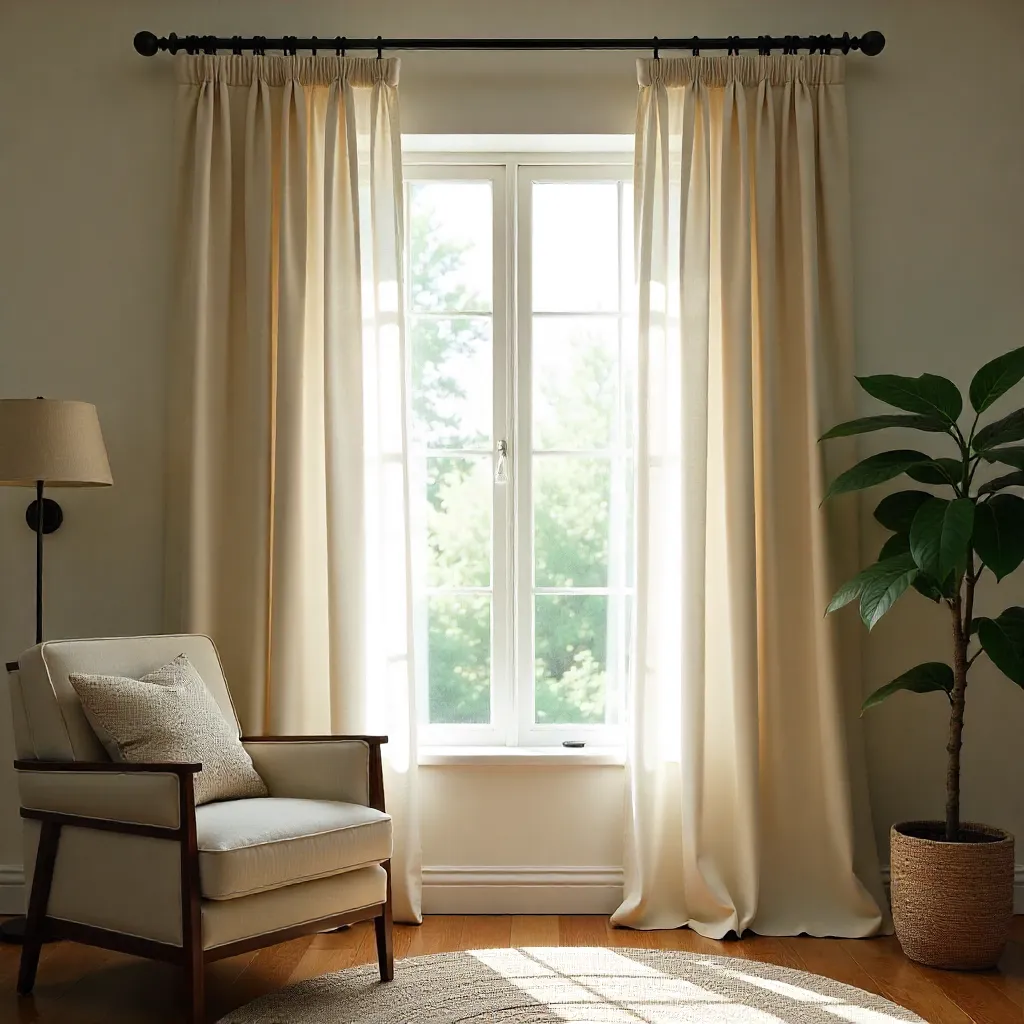
Material installation compatibility

Installation Compatibility

Consider how materials work with your window types and installation methods. Some materials require specific hanging systems, while others offer more flexibility in application.