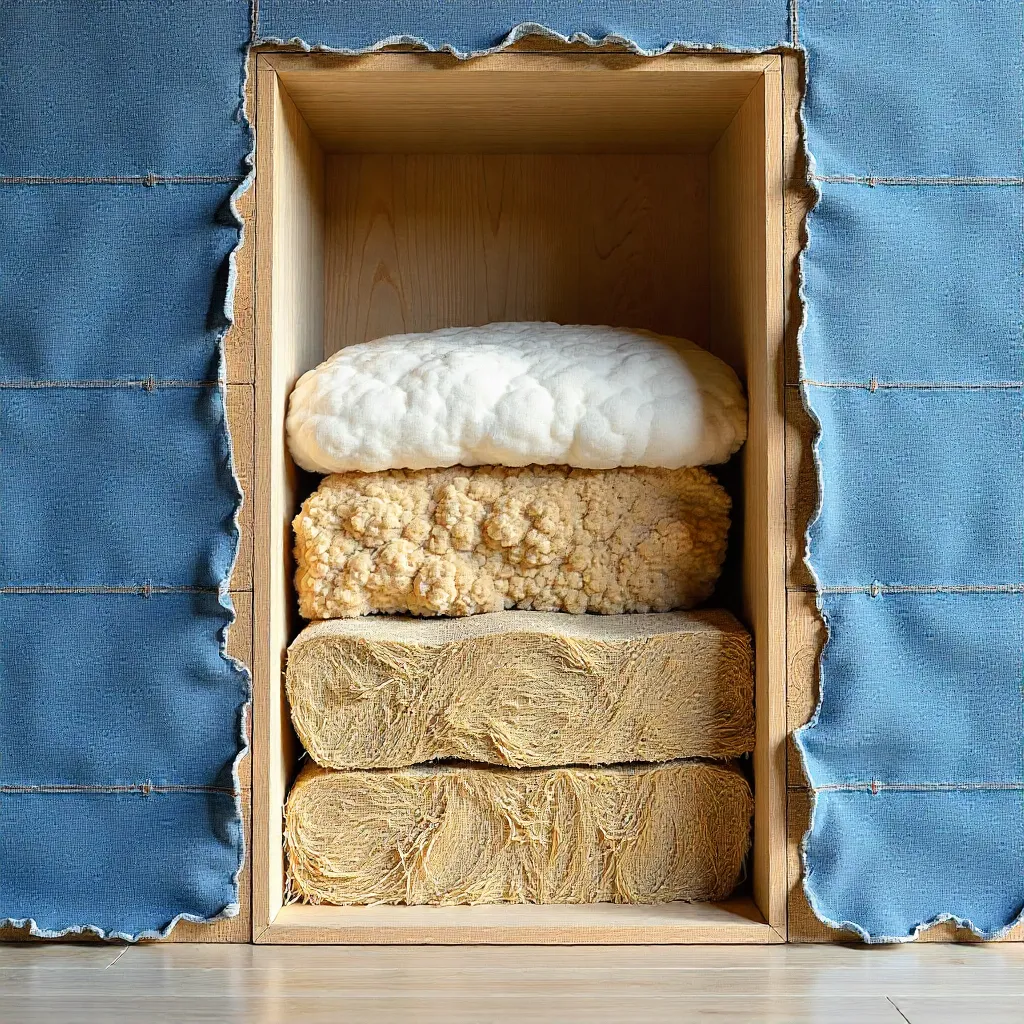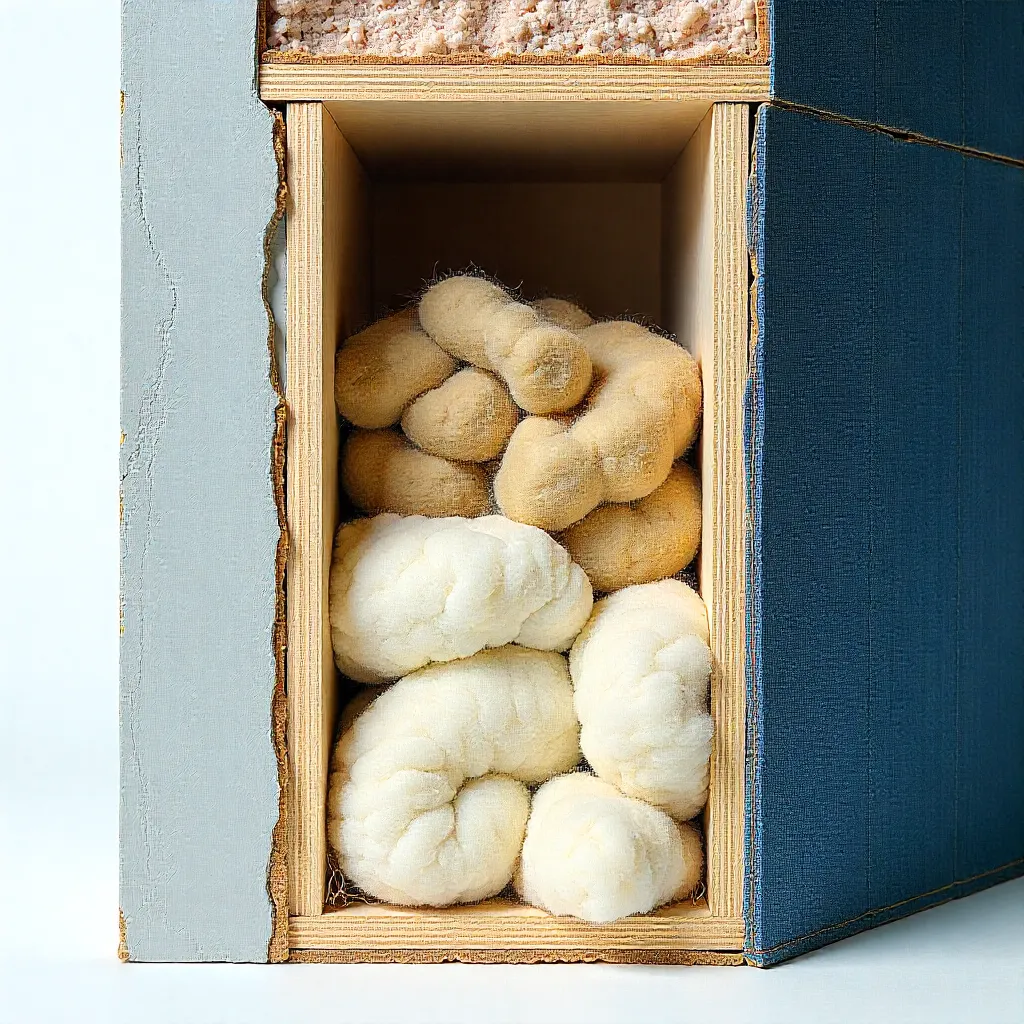
Textile wall cutaway revealing insulation structure

The Thermal-Mass Library

A comprehensive technical database of natural fibers, their thermal resistance properties, and energy management applications.

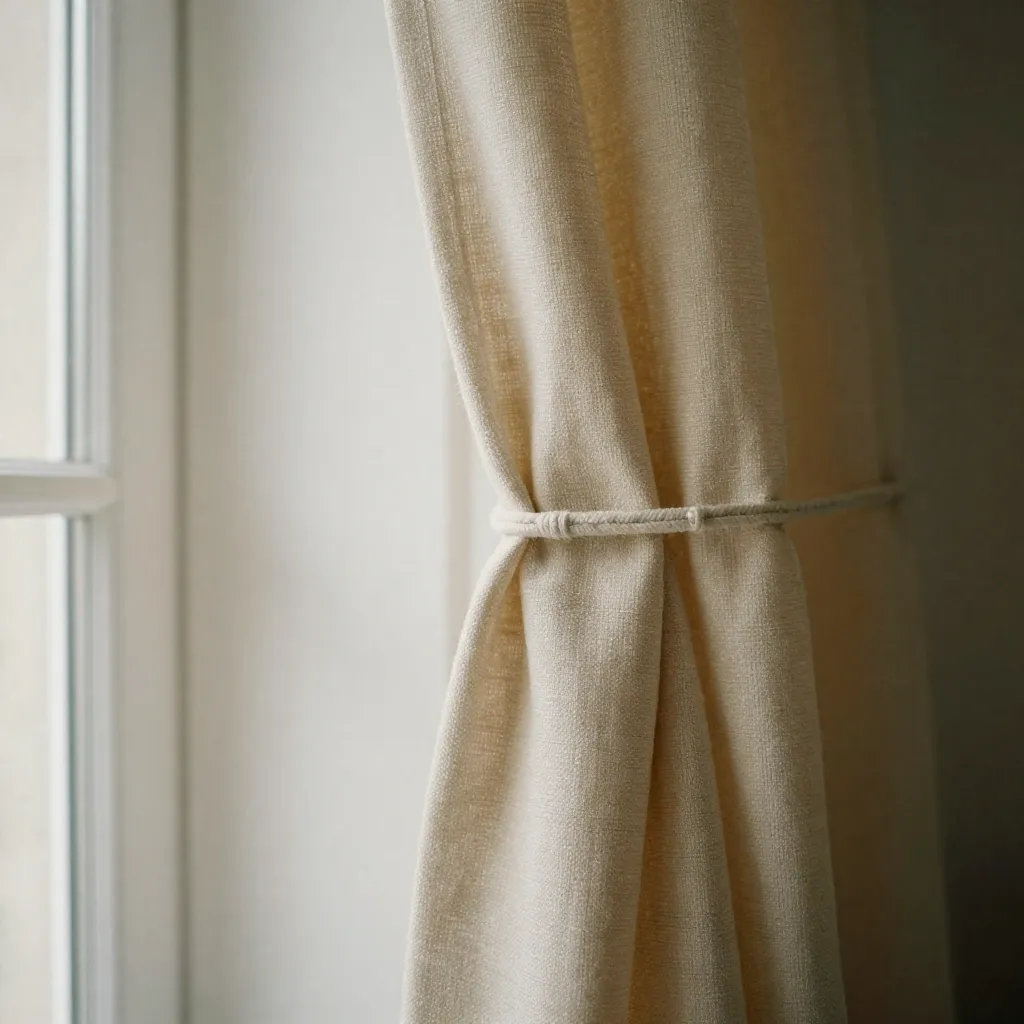
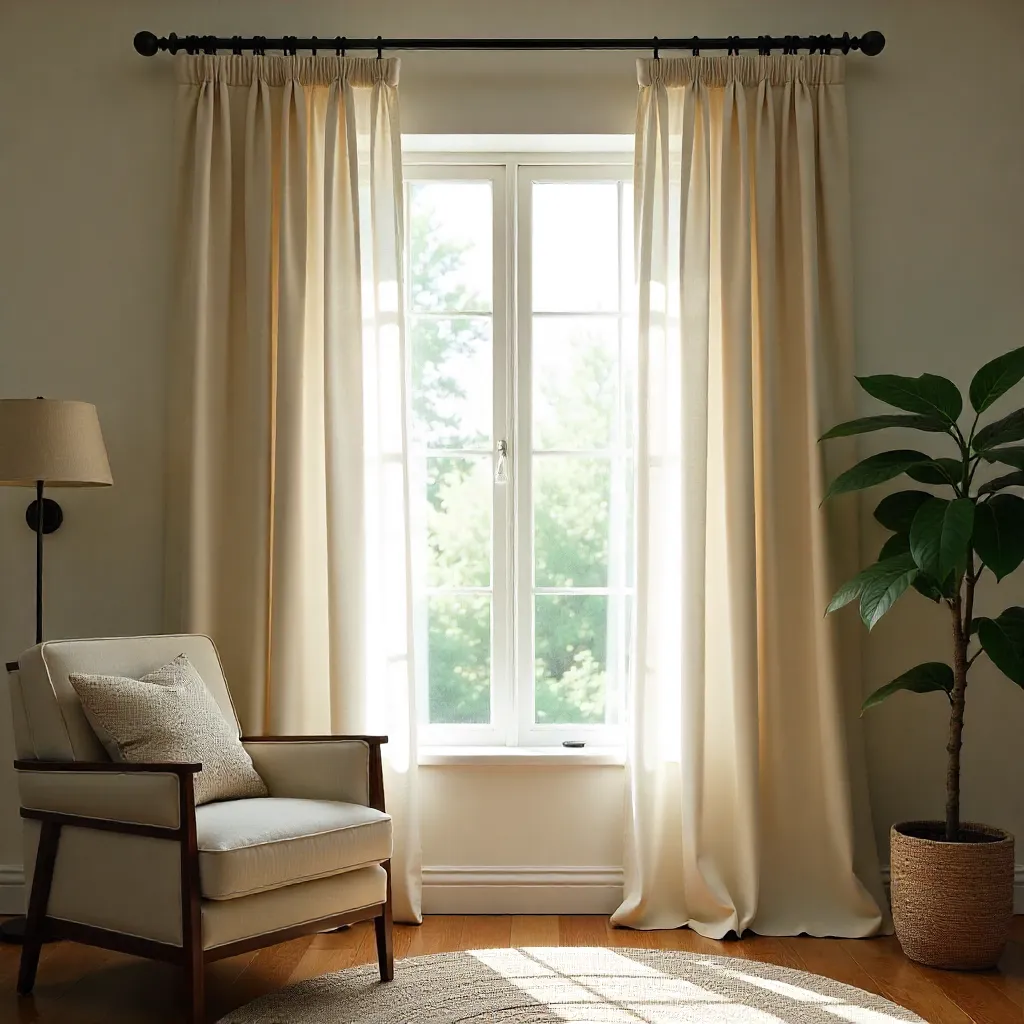
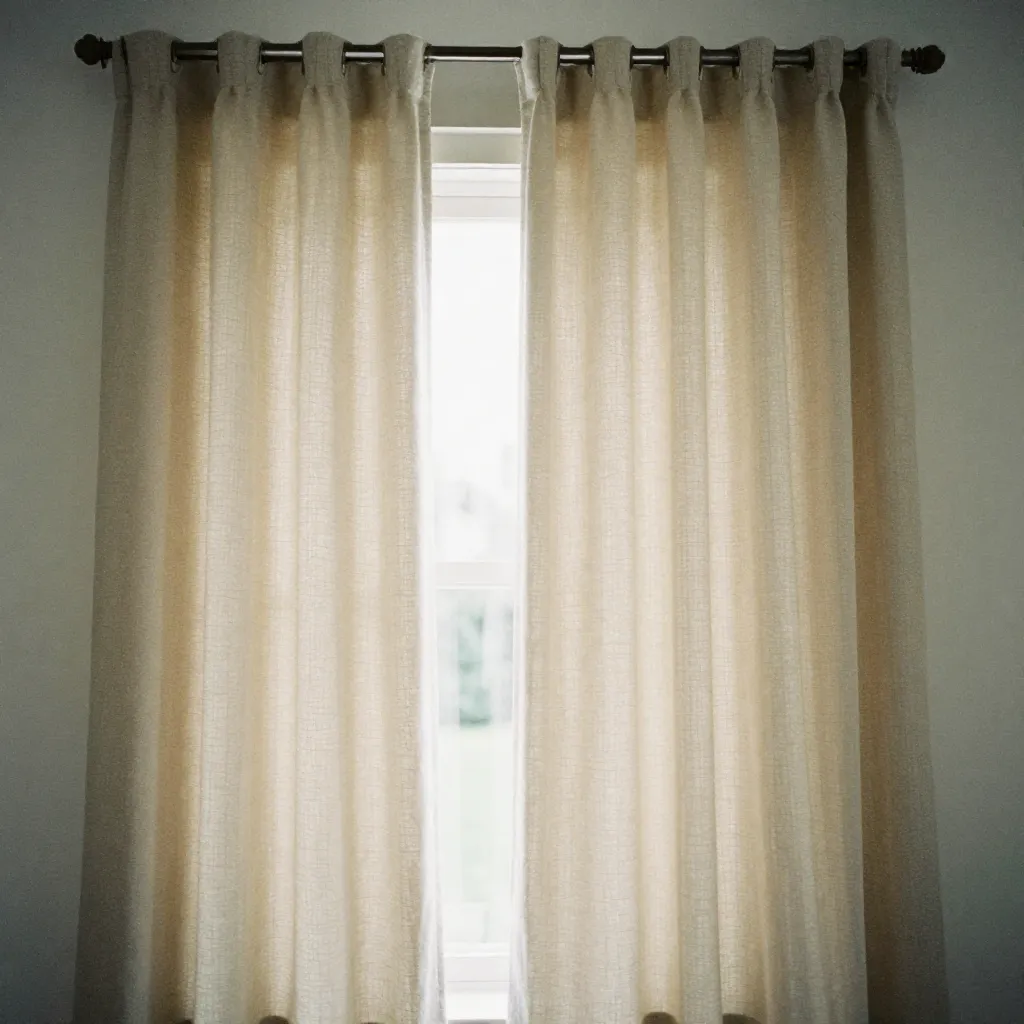
Eco-friendly curtain materials in technical display

Understanding R-Value in Natural Materials

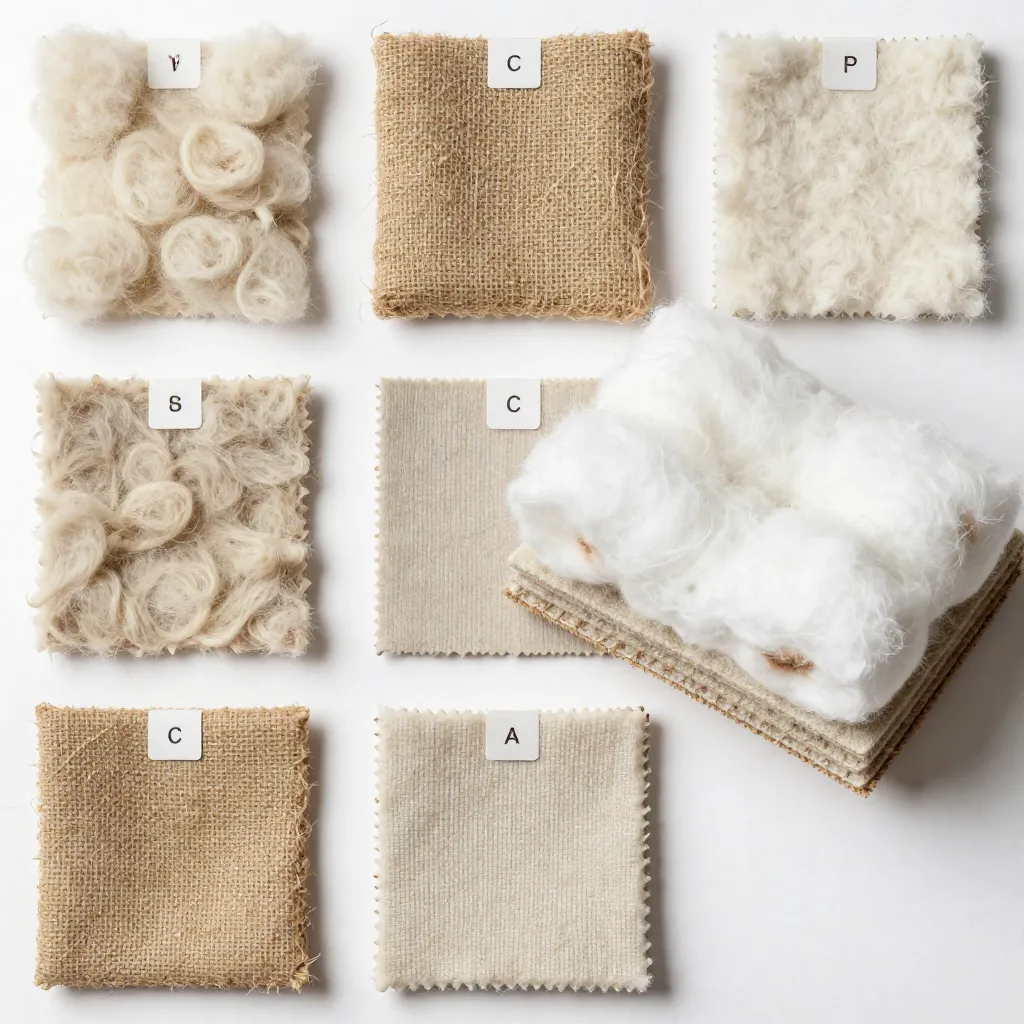
The R-value, or thermal resistance rating, measures a material's ability to resist heat flow. Natural textiles exhibit varying R-values based on fiber density, weave pattern, and thickness.

Heavy wool typically demonstrates R-values between 3.5 and 4.2 per inch of thickness, making it one of the most effective natural insulators. The natural crimp in wool fibers creates air pockets that significantly reduce thermal conductivity.

Multi-layered linen systems can achieve R-values of 2.8 to 3.5 per inch when properly installed. The breathable nature of linen allows for moisture management while maintaining thermal barriers.

Velvet materials, with their dense pile structure, provide R-values ranging from 3.0 to 3.8 per inch. The combination of thermal and acoustic properties makes velvet suitable for comprehensive window treatment applications.
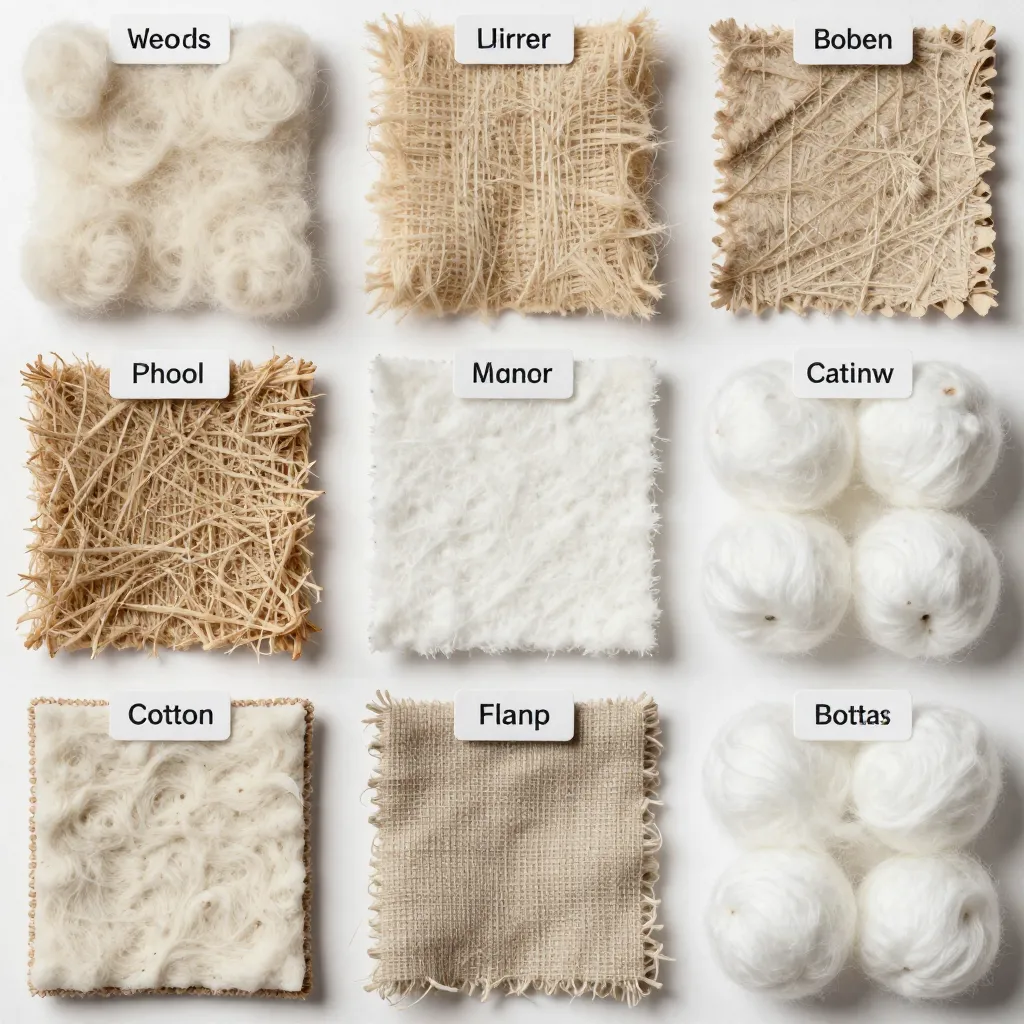
Natural fiber samples showing different R-value properties

Dead Air: The Foundation of Natural Insulation

Microscopic view of dead air spaces in textile fibers

Dead air spaces represent the core mechanism of natural textile insulation. These microscopic pockets of trapped air create barriers that slow heat transfer through conduction, convection, and radiation.

When natural fibers interlock, they form complex three-dimensional structures that naturally trap air. The size and distribution of these air pockets determine the material's overall thermal resistance.

Cross-section analysis reveals how different materials create dead air spaces. Heavy wool's crimped fibers create irregular pockets, while linen's straight fibers form more uniform channels. Both approaches effectively reduce thermal conductivity.

Understanding these structures allows for strategic material selection and layering techniques that maximize dead air space creation, resulting in optimal thermal performance.

Material Properties Database

Heavy wool fiber structure analysis

Heavy Wool Specifications

Fiber density: 1.31 g/cm³. Natural crimp creates 60-70% air space. R-value: 3.5-4.2 per inch. Excellent moisture wicking. Sound absorption coefficient: 0.85-0.95.

Layered linen system technical diagram

Multi-Layered Linen Systems

Fiber density: 1.46 g/cm³. Straight fiber structure creates 50-60% air space. R-value: 2.8-3.5 per inch. Natural breathability. Sound absorption coefficient: 0.70-0.80.

Velvet pile structure showing density

Velvet Thermal Properties

Pile density: Variable. Dense structure creates 40-50% air space. R-value: 3.0-3.8 per inch. Superior sound dampening. Sound absorption coefficient: 0.90-0.98.

Physics of Hanging: Eliminating the Chimney Effect

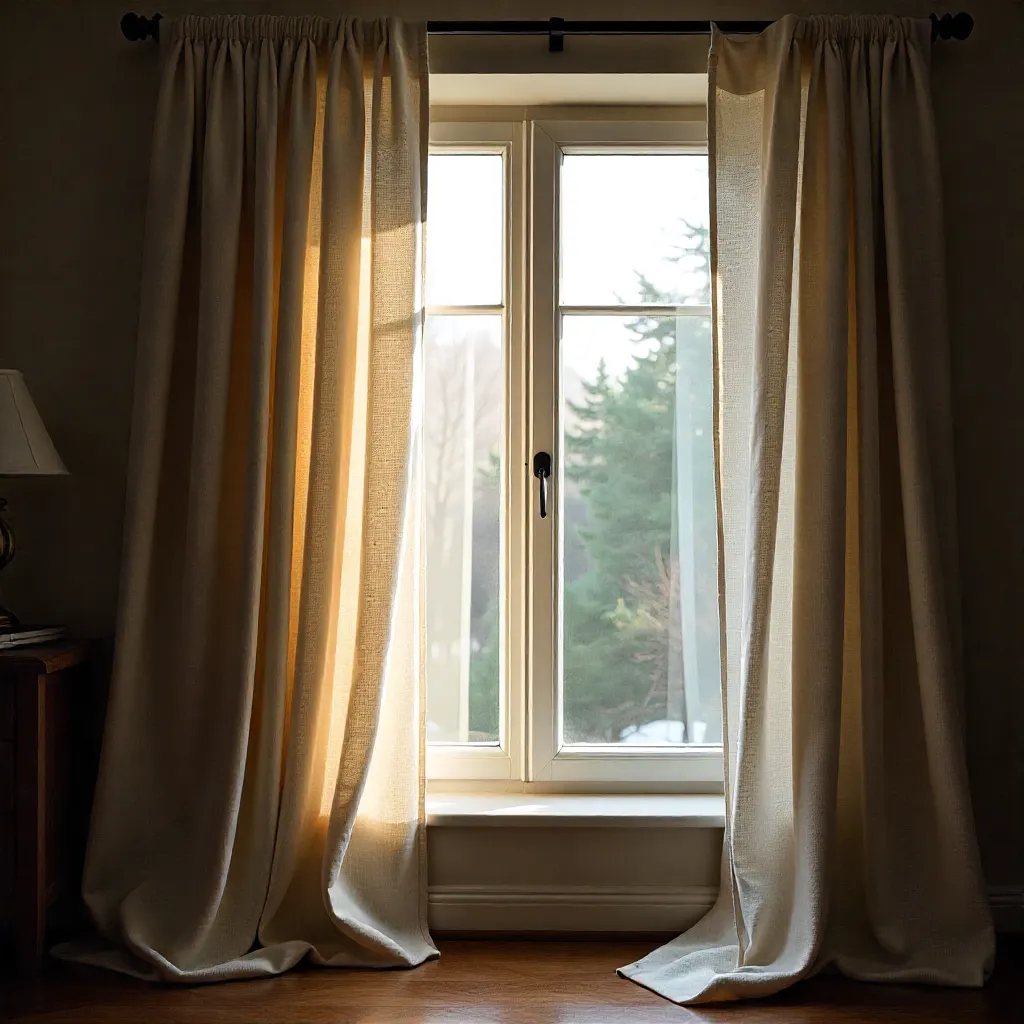
The chimney effect occurs when warm interior air rises and escapes over improperly installed window treatments. This creates a continuous cycle of heat loss, negating the insulation benefits of natural textiles.

Proper installation eliminates this effect through wrap-around techniques that seal the window's thermal perimeter. This involves extending materials beyond the window frame and ensuring complete coverage of all edges.

Measurement precision is critical. Each installation requires assessment of window dimensions, frame depth, and material properties. The goal is creating a complete thermal seal that prevents air exchange.

Interactive diagrams demonstrate how different hanging techniques affect thermal performance. The wrap-around method creates a sealed environment that maximizes the R-value of natural materials.

Installation blueprint showing wrap-around technique

Acoustic Properties: Sound Dampening Through Natural Fibers

Sound absorption visualization in natural textiles

Natural textiles provide significant acoustic benefits beyond thermal management. The dense fiber structure absorbs high-frequency sounds from wind, traffic, and other external sources.

Sound absorption coefficients vary by material. Heavy wool typically achieves 0.85-0.95, meaning it absorbs 85-95% of incident sound energy. Velvet materials can reach 0.90-0.98, making them exceptional for sound management.

The combination of thermal and acoustic properties creates comprehensive environmental control. Natural textiles address both temperature stability and noise reduction, contributing to overall interior comfort.

Understanding these dual properties allows for informed material selection that addresses specific environmental requirements, whether focusing on thermal efficiency, acoustic control, or both.