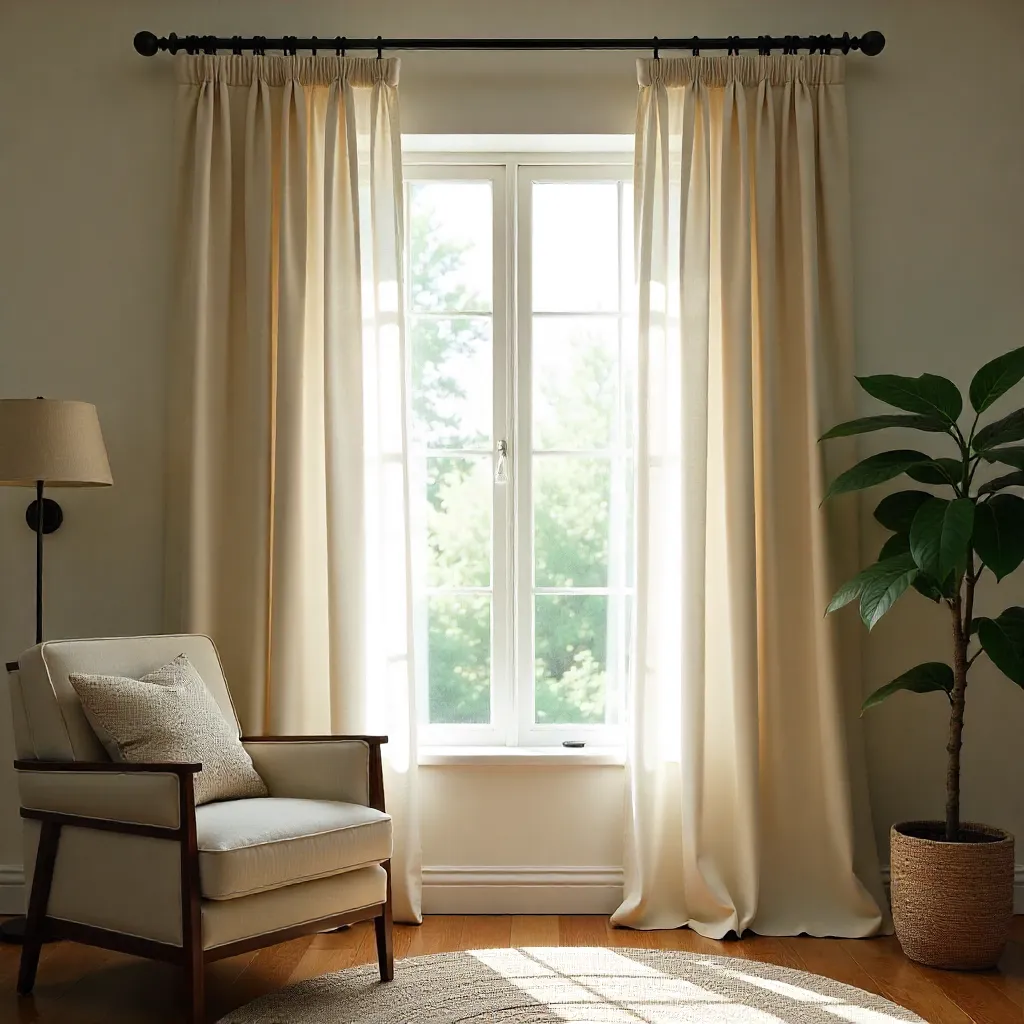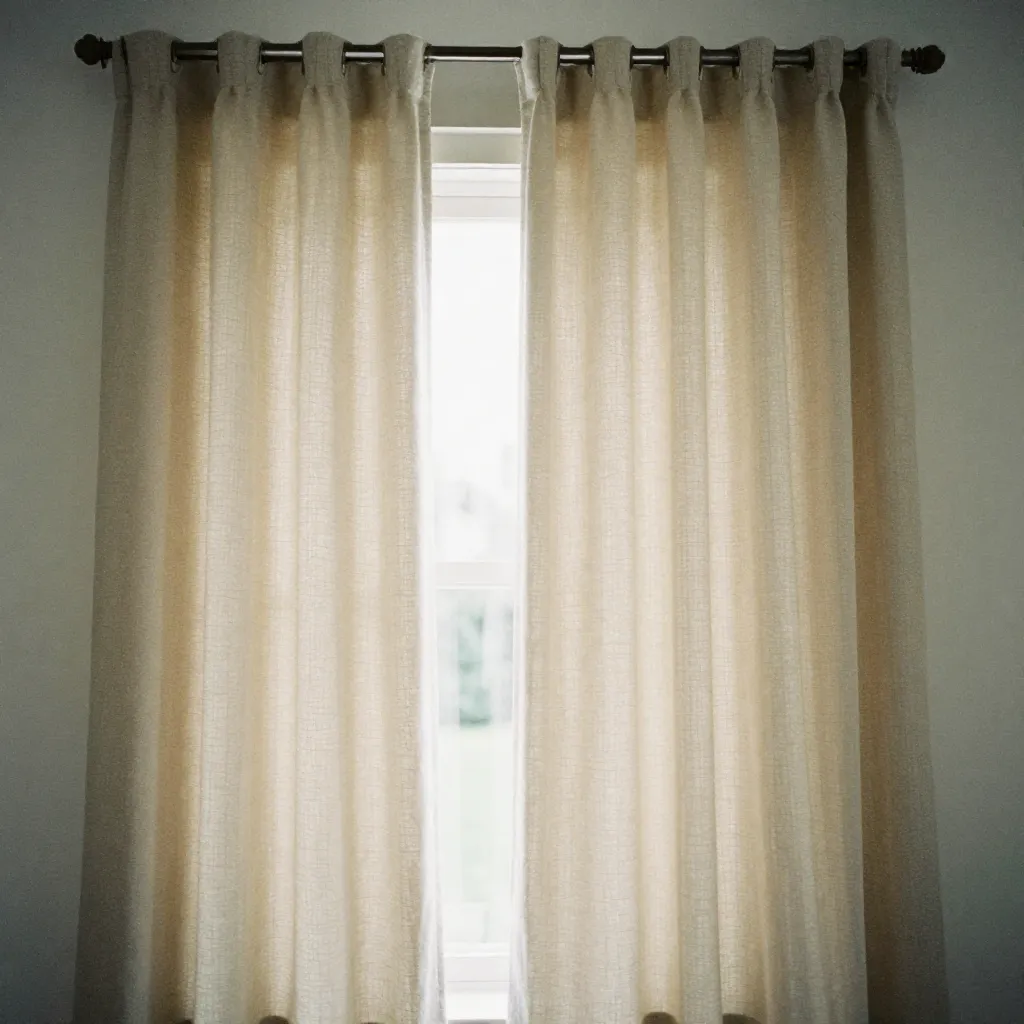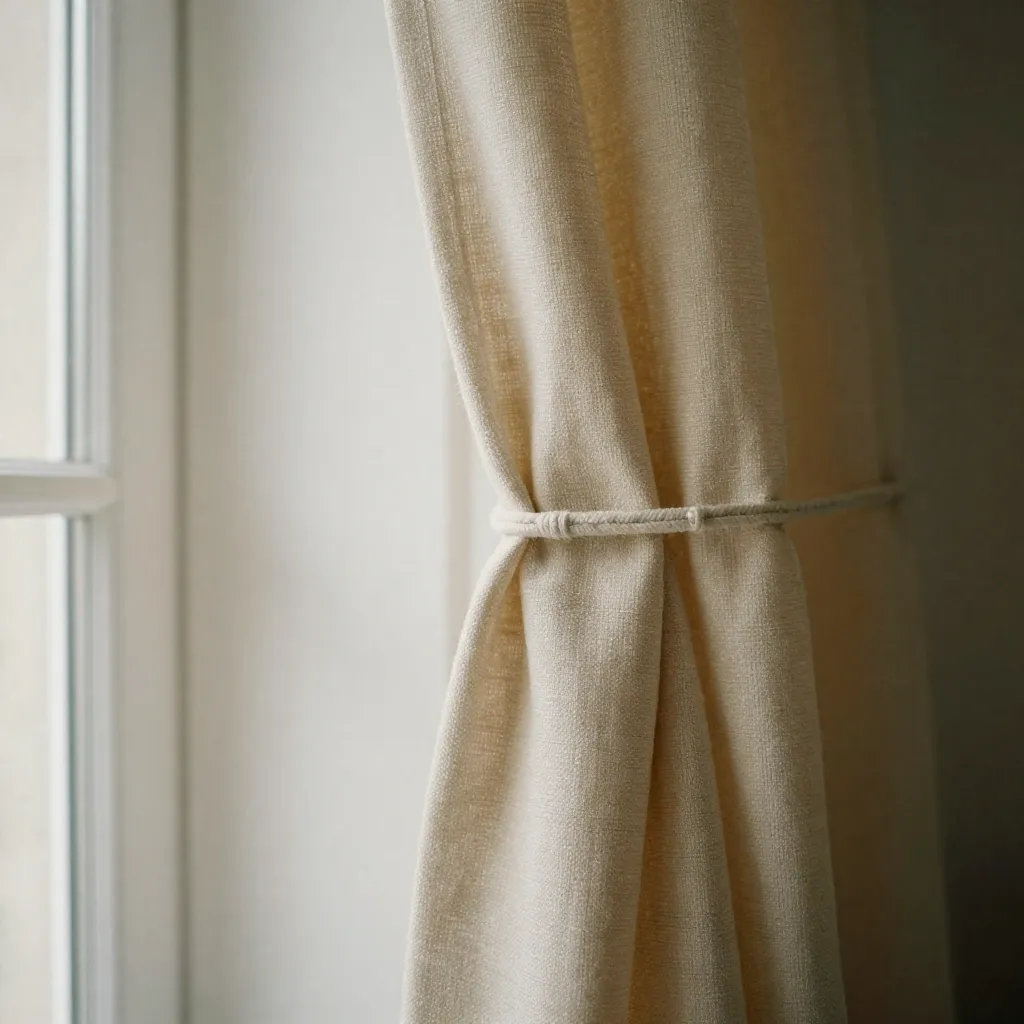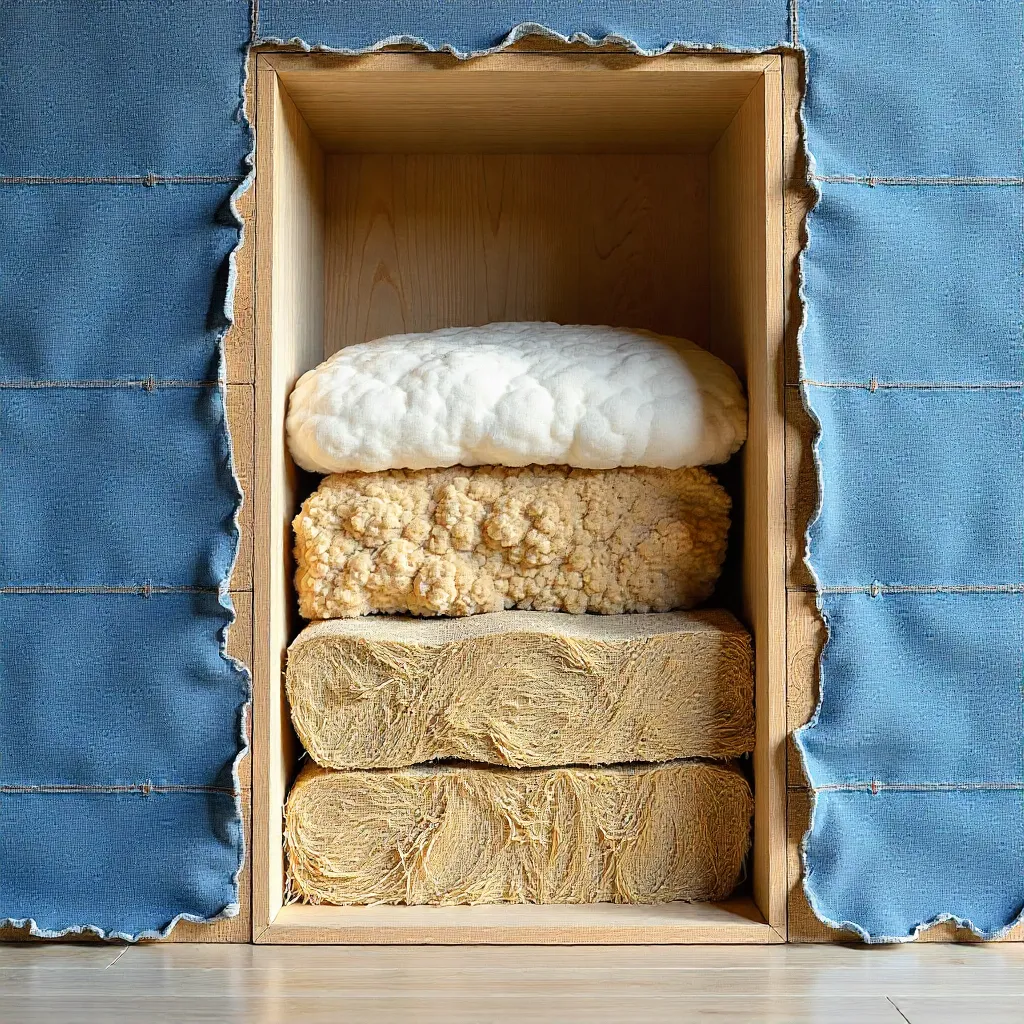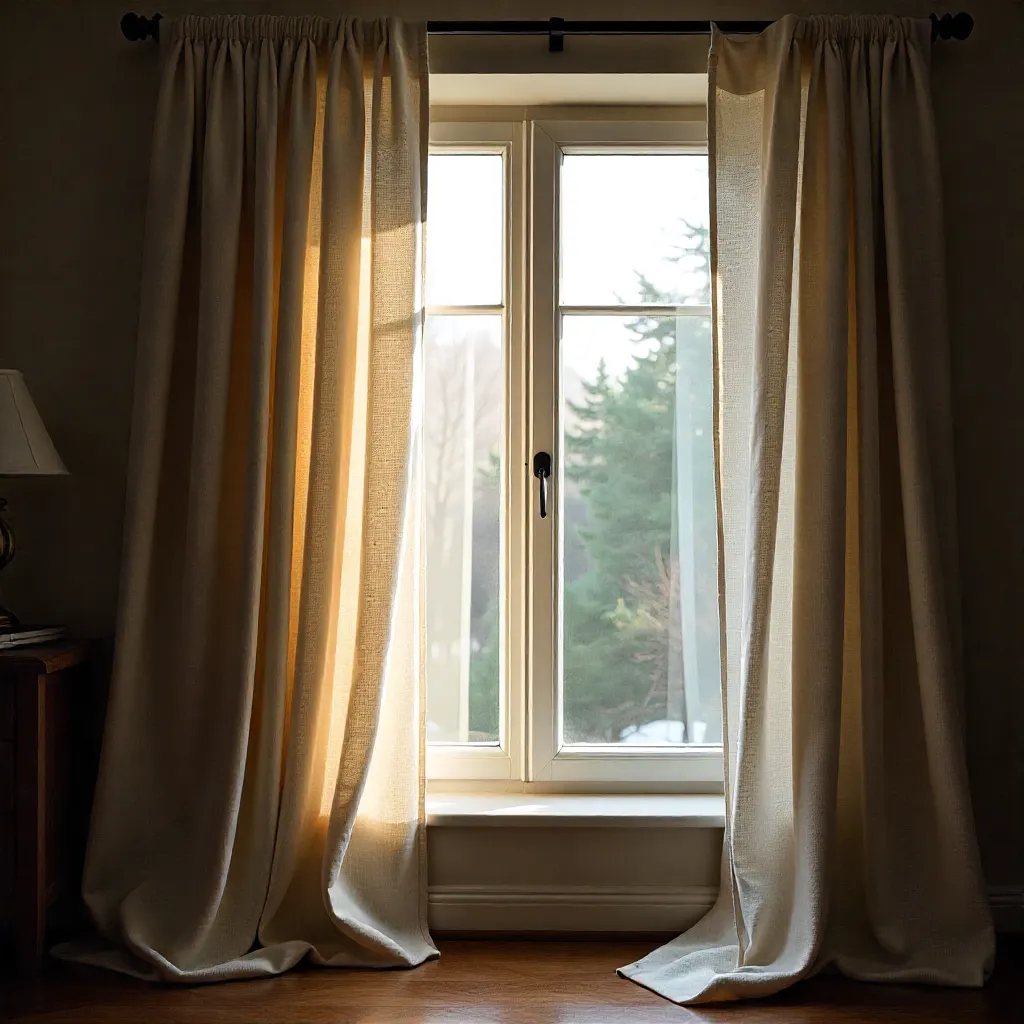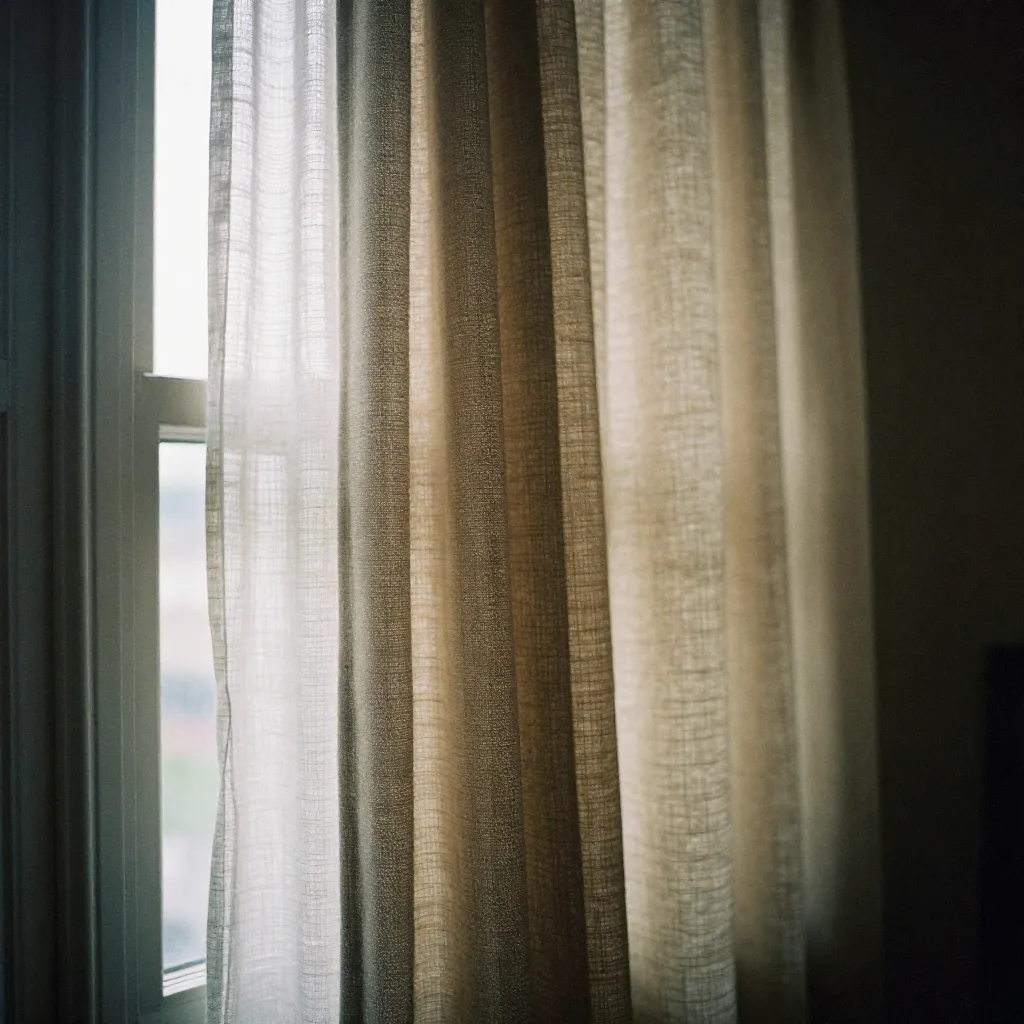
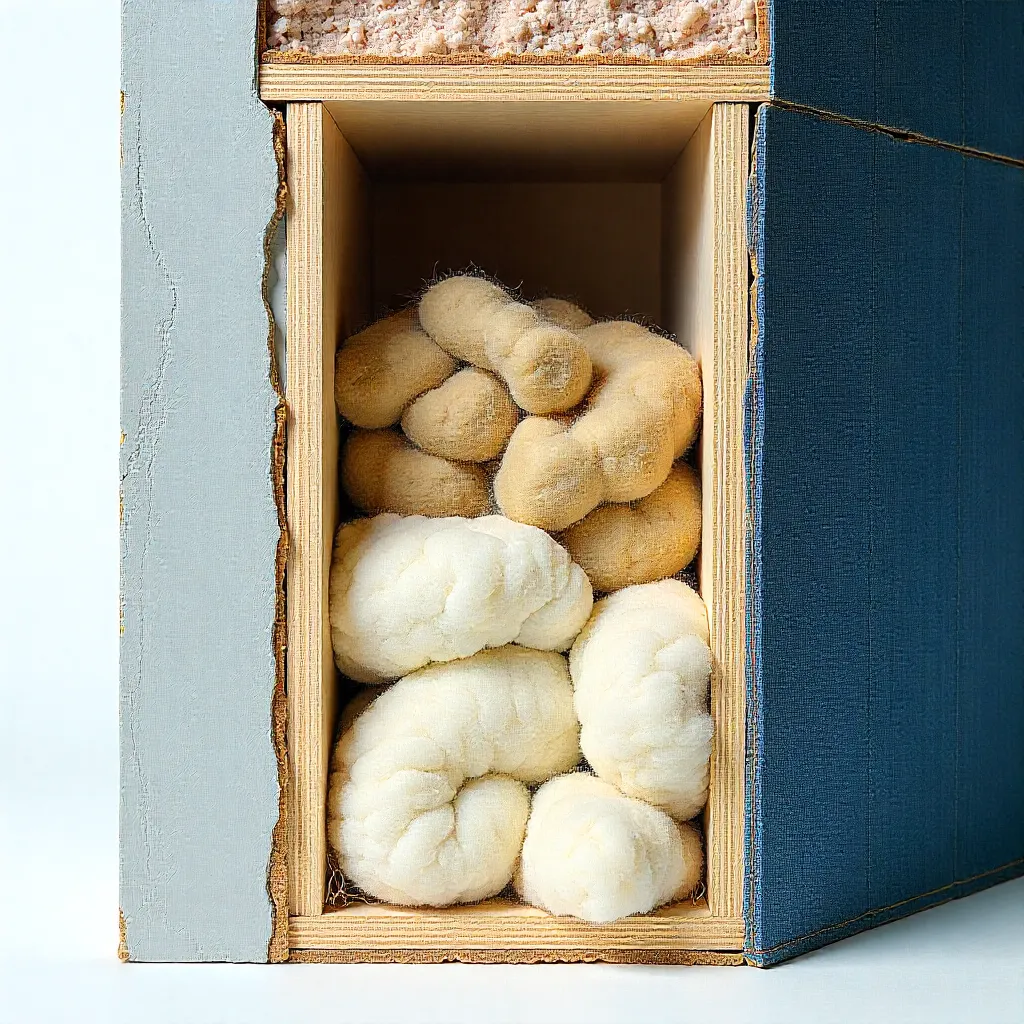
Natural fibers possess inherent thermal properties that create micro-environments of temperature stability. When properly layered, materials like heavy wool and multi-layered linen trap dead air spaces, forming natural insulation barriers.
The density and weave pattern of textiles determine their R-value, a measure of thermal resistance. Understanding these principles allows for strategic placement of materials to maximize energy efficiency in residential and commercial spaces.
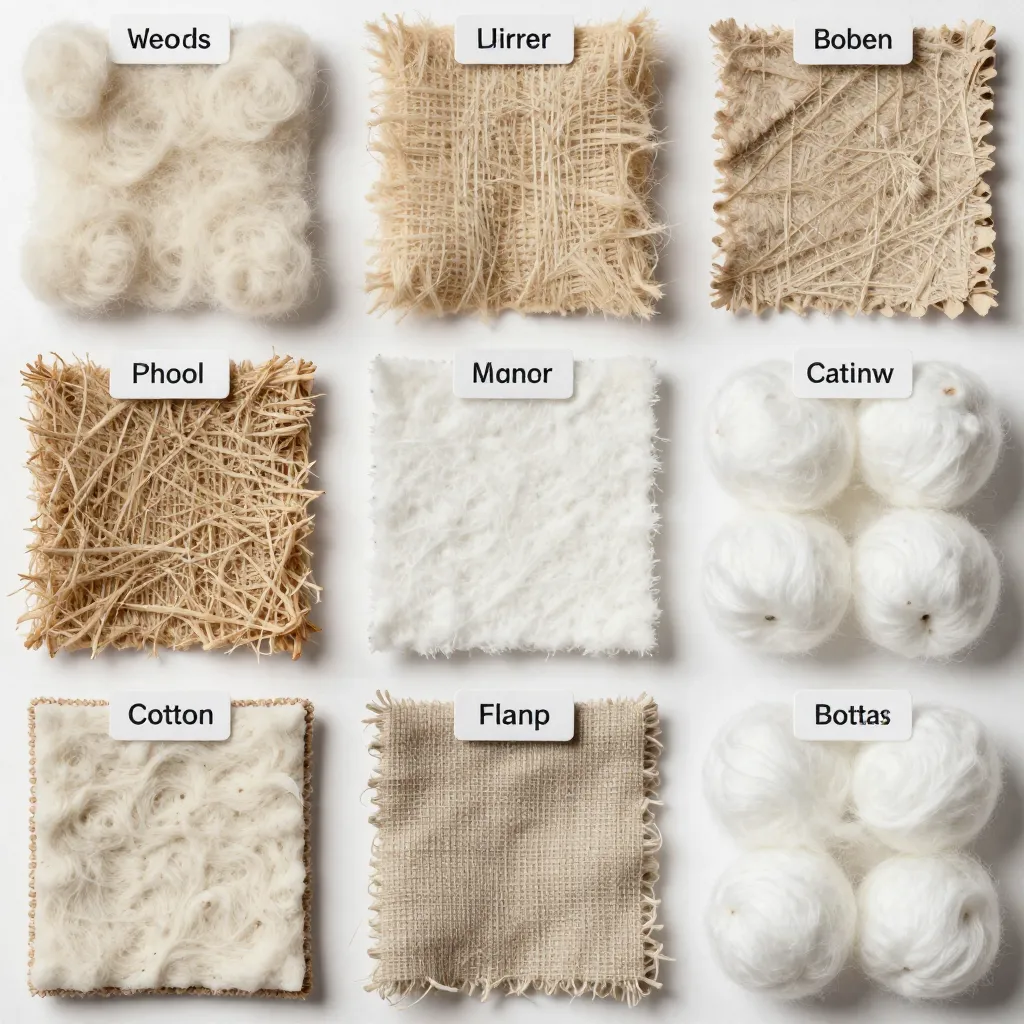
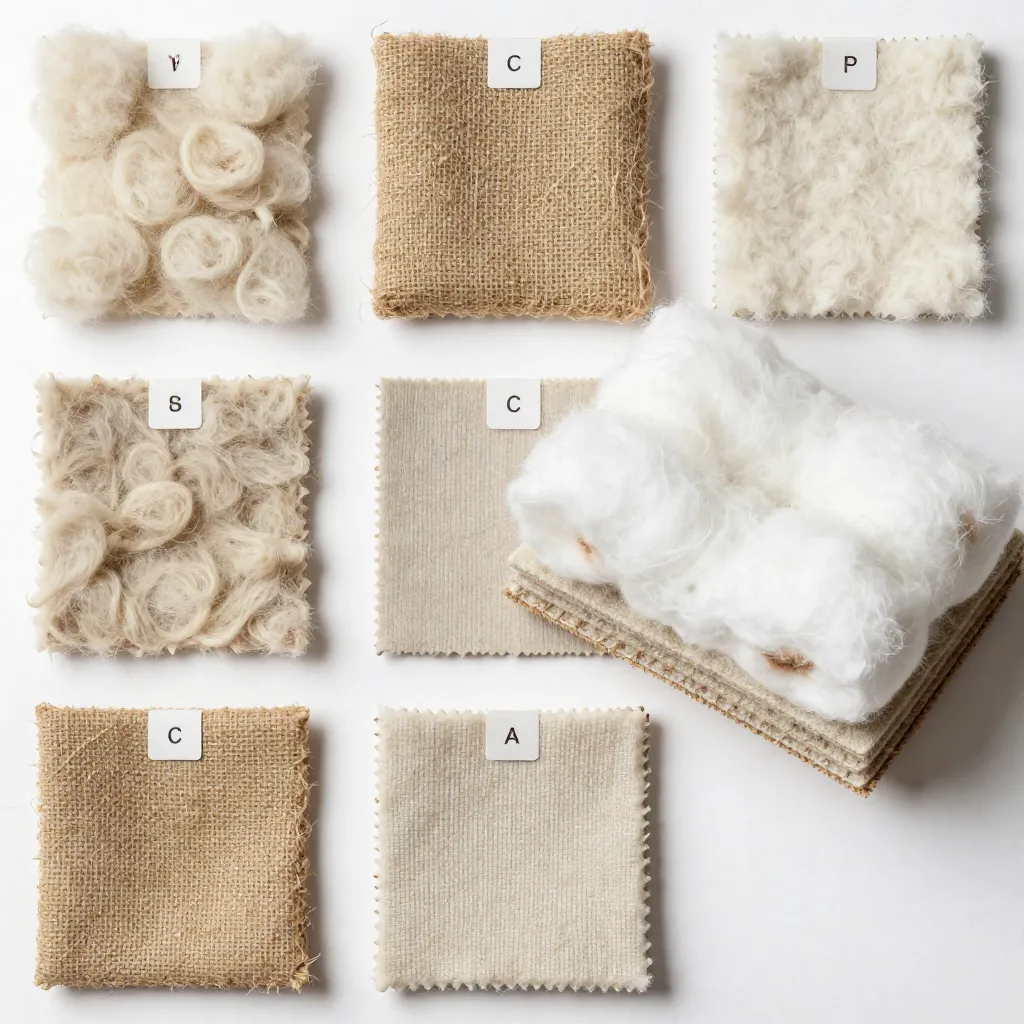
Each textile type offers unique characteristics. Velvet provides excellent sound dampening while maintaining thermal properties. Heavy wool creates substantial air pockets that slow heat transfer. Linen, when layered, forms breathable yet protective barriers.