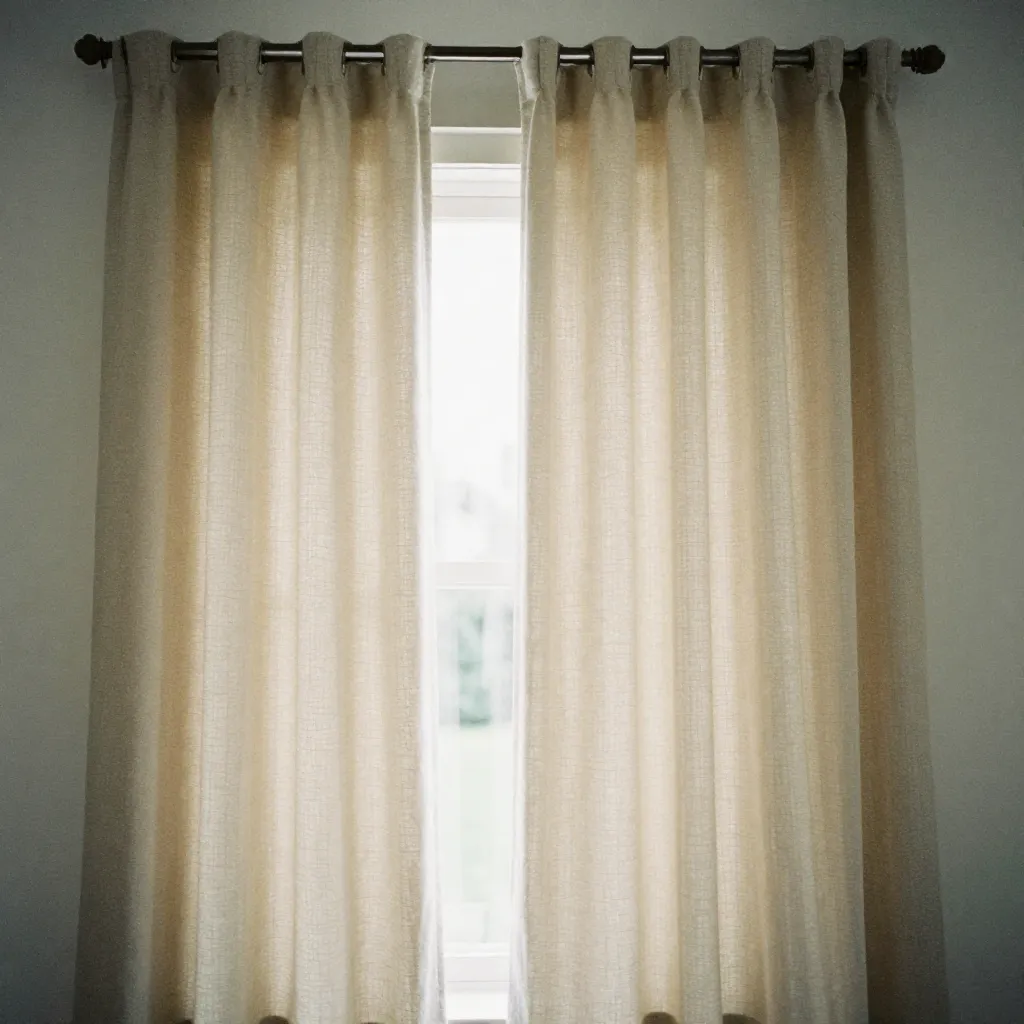
Proper installation of thermal curtains

Installation Techniques

Master the physics of proper installation to eliminate thermal leaks and maximize the efficiency of natural textile insulation systems.

Installation blueprint showing proper techniques

Understanding the Chimney Effect

The chimney effect occurs when warm interior air rises and escapes over improperly installed window treatments. This creates a continuous cycle of heat loss that negates the insulation benefits of natural textiles.

Warm air naturally rises due to its lower density. When window treatments don't create a complete seal, this warm air flows over the top of the material, creating a draft that pulls cooler air from below, establishing a convection current.

This effect can reduce the effective R-value of insulation materials by up to 40% if not properly addressed. The key to eliminating this problem lies in creating a complete thermal seal around the window perimeter.

Proper measurement and installation techniques prevent air movement over, under, and around window treatments. This requires attention to detail in both material selection and installation method.
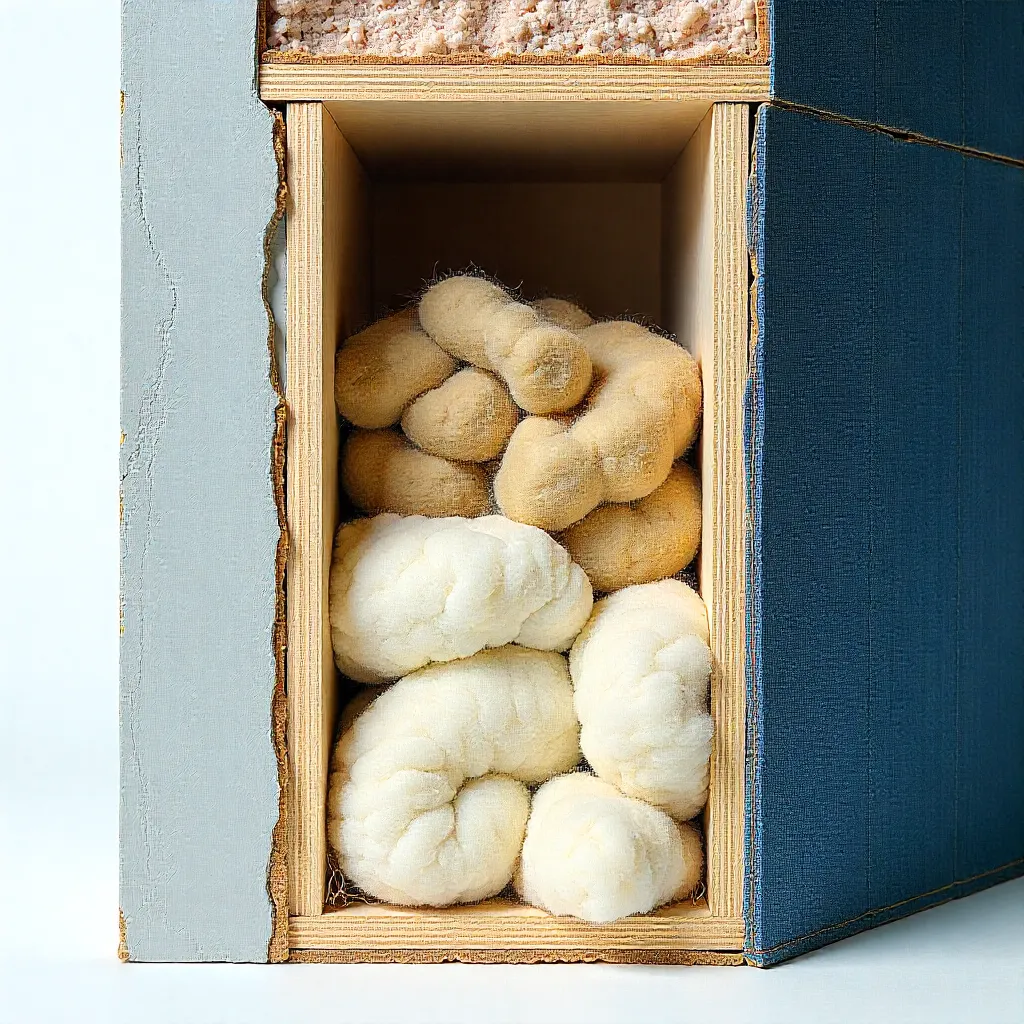
Diagram showing chimney effect and prevention

Wrap-Around Installation Method

Wrap-around installation technique demonstration

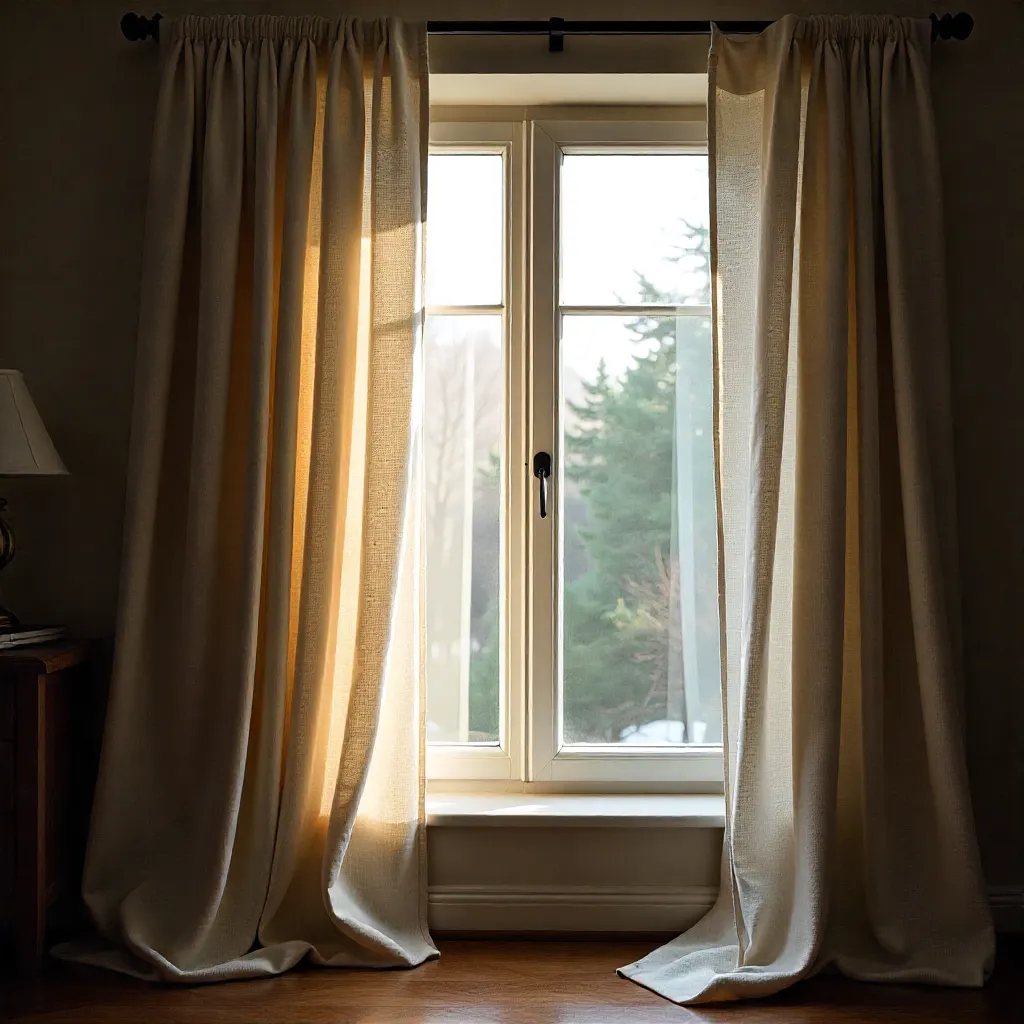
The wrap-around technique creates a complete thermal seal by extending materials beyond the window frame on all sides. This method eliminates gaps that allow air exchange between interior and exterior environments.

Proper wrap-around installation requires extending materials at least 4-6 inches beyond the window frame on each side. The top extension is particularly critical, as this is where the chimney effect most commonly occurs.

Materials should overlap at corners to create continuous barriers. This overlap prevents air from finding paths around the insulation, ensuring that all air movement occurs through the material itself, where thermal resistance is highest.

The bottom edge requires special attention to prevent air from flowing underneath. Weighted hems or floor-length installations that create a seal against the floor or window sill effectively prevent this air movement.

Precise Measurement for Optimal Performance

Accurate measurement forms the foundation of effective installation. Each window requires individual assessment, as dimensions, frame depth, and surrounding architecture all influence installation requirements.

Measure window width at three points: top, middle, and bottom. Use the widest measurement and add the wrap-around extension on each side. This ensures adequate coverage even if the window frame is slightly out of square.

Height measurements should account for both the window opening and the desired extension above and below. Consider the mounting location and ensure materials extend sufficiently to create the thermal seal.

Frame depth measurement determines how far materials need to extend to cover the window completely. Deeper frames may require additional material width to achieve proper wrap-around coverage.

Document all measurements and create a detailed installation plan before beginning. This planning phase prevents material waste and ensures consistent results across multiple windows.

Measurement tools and planning for installation

Installation Best Practices

Proper mounting hardware selection

Mounting Hardware

Select mounting hardware that supports the weight of natural textile materials while allowing proper extension. Heavy-duty rods or tracks ensure materials maintain their position and create effective seals.

Material handling during installation

Material Handling

Handle natural textiles carefully during installation to prevent stretching or distortion. Support materials evenly to maintain their natural structure and insulating properties throughout the installation process.

Quality check after installation

Quality Verification

After installation, verify that all edges create proper seals. Check for gaps, ensure adequate overlap, and confirm that materials extend sufficiently beyond window frames on all sides.

Proper installation maximizes the thermal performance of natural textile materials. Attention to detail during the installation process ensures long-term effectiveness and energy efficiency.